Operator. Builder.
Public thinker.
Entrepreneur and operator. I build companies in regulated industries and write about what that actually takes.
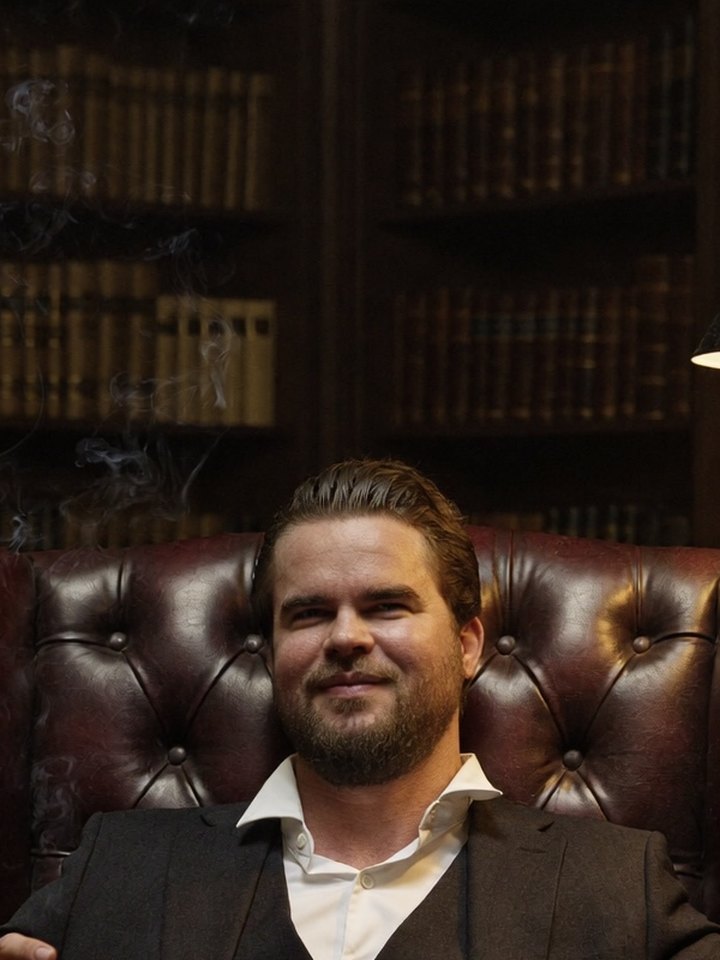
James Warwick
I've spent the last decade building companies in regulated industries — the kind where the slow, unfun decisions made early are the ones that decide who's still standing later.
Today I’m the Founder and CEO of AutoCoin, a FinCEN-registered fintech company bringing institutional-grade automation to private investors, without the custody risk that took down platforms like FTX. AutoCoin is registered with the U.S. Financial Crimes Enforcement Network (FinCEN) as a Money Services Business, and connects to users' exchanges by API only — funds never leave the exchange they already trust. Before AutoCoin, I built and scaled a premium spirits business internationally, leading a team across three countries.
I write here about regulated industries, the real-world application of AI in consumer finance, and what it takes to build serious companies inside the rules rather than around them. I'm based in the United States.
On the record
Regulated industries
Every financial category ends up regulated. The only question is whether you helped write the rules from the inside or got caught on the outside when they landed. The companies that survive the next regulatory wave are the ones that took the slow, expensive path early — and right now, being one of them is a moat, because most of the category refuses to.
AI in real products
"AI-powered" has become a phrase that means almost nothing. The honest version isn't "we'll find you the best trades" — it's "we'll execute the boring discipline you'd do yourself if you never slept and never got emotional." I'd rather build the boring version that's still alive in five years.
American competitiveness
The competitiveness story of the next decade is a story about regulated industries — fintech, AI, energy, defense. Whoever builds the bridge between serious operators and serious rule-making wins the next era.
The cost of compliance done late
Compliance done early is a few months' tax on the roadmap. Retrofitted under pressure, it's years, plus legal fees, plus eroded trust. Founders treat the early path as the expensive one. It's the cheap one.
Building without a fund
A real, operational company built by a small team without venture money is not in the wrong room — just a quieter one. I write about the actual operating reality because the press-tour version leaves most of it out.
Read the
essays
Long-form writing on regulated industries, applied AI, and building serious companies inside the rules.